
Awareness on Mental Wellness Among Students in Maiduguri
Introduction
Mental wellness is a vital component of overall health and development, particularly among adolescents and young people in secondary schools. In Maiduguri, Borno State, the importance of mental health awareness has become increasingly evident due to prolonged exposure to socio-economic challenges, insecurity, displacement, and academic pressures. These factors have significantly influenced the psychological well-being of students, making mental health education not only relevant but urgent.
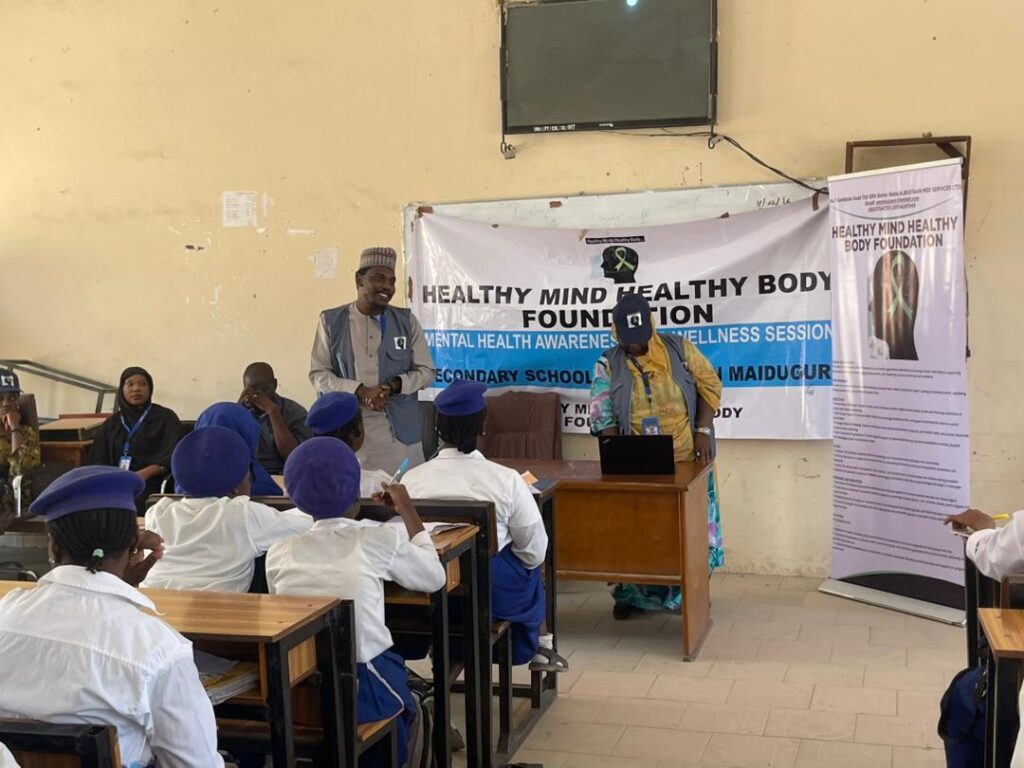
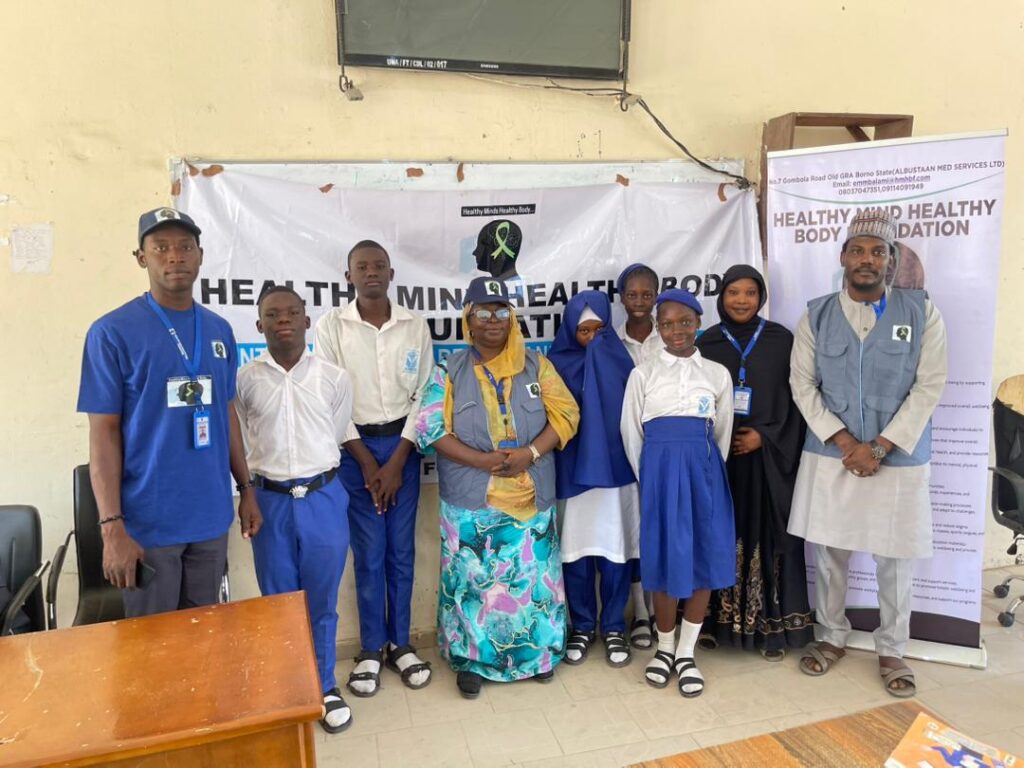
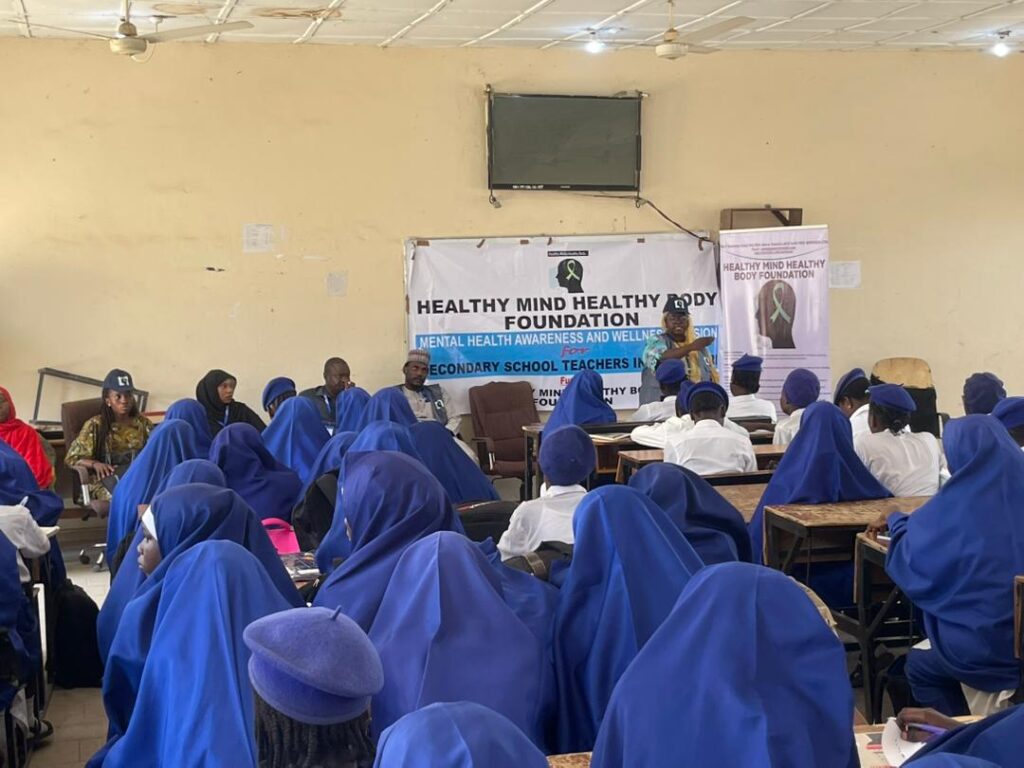
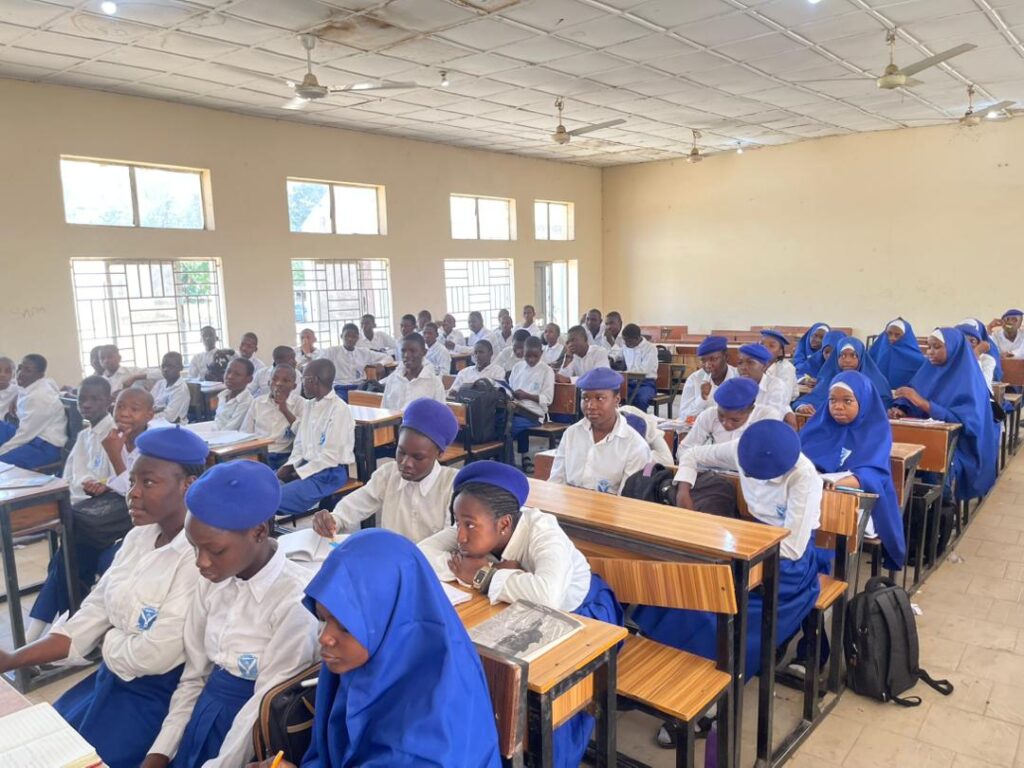
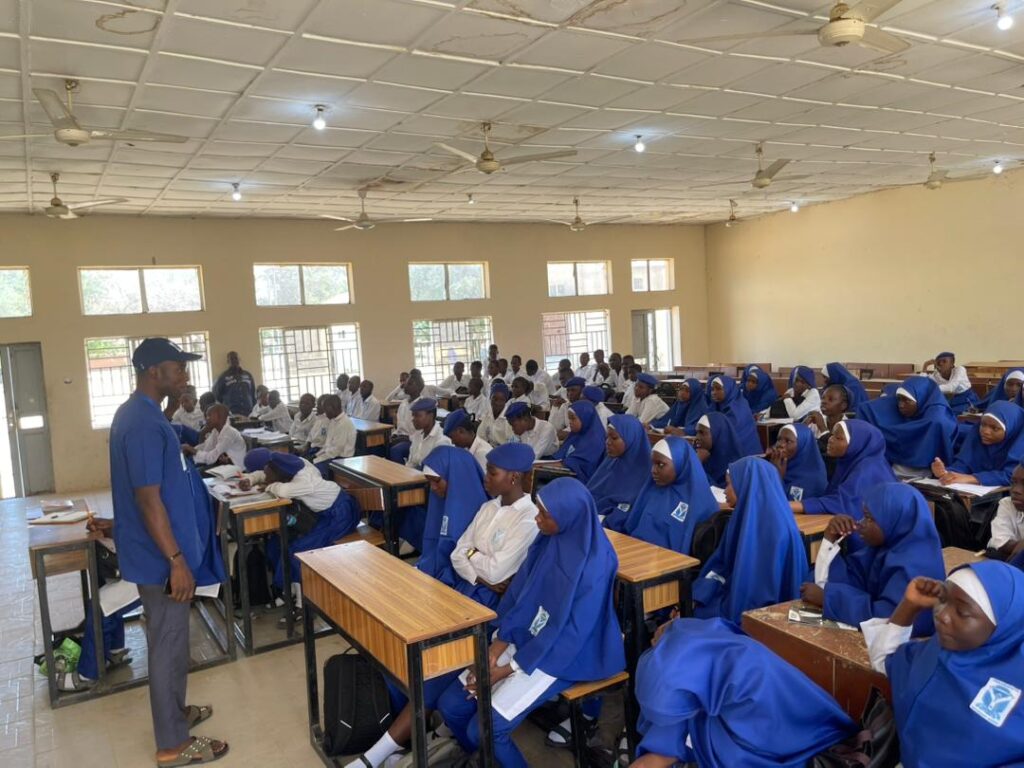
The awareness program on mental wellness among students in Maiduguri aims to educate, sensitize, and empower young people with the knowledge and skills necessary to understand, manage, and support mental health concerns within their schools and communities.
Concept of Mental Wellness
Mental wellness goes beyond the absence of mental illness. It refers to a state of emotional, psychological, and social well-being in which individuals:
- Cope effectively with stress
- Realize their abilities and potential
- Maintain positive relationships
- Contribute meaningfully to their community
For students, mental wellness plays a critical role in academic performance, social interactions, behavior regulation, and overall life satisfaction.
The Context of Maiduguri
Maiduguri has experienced years of conflict and humanitarian crises, which have had lasting psychological impacts on families and communities. Many students have:
- Witnessed traumatic events
- Experienced displacement
- Lost loved ones
- Faced economic hardship
- Lived in unstable environments
These experiences increase vulnerability to anxiety, depression, post-traumatic stress, substance abuse, and behavioral challenges. Despite these realities, mental health discussions remain limited due to stigma, cultural misconceptions, and inadequate access to professional support services.
Objectives of the Awareness Program
The mental wellness awareness initiative among students in Maiduguri is designed to achieve the following objectives:
- Increase Knowledge and Understanding
To educate students on what mental health is, common mental health conditions, and the importance of emotional well-being. - Reduce Stigma and Discrimination
To address myths and misconceptions surrounding mental illness and encourage open conversations. - Promote Positive Coping Strategies
To teach stress management techniques such as relaxation, time management, positive thinking, and peer support. - Encourage Help-Seeking Behavior
To inform students about where and how to seek help when facing emotional or psychological challenges. - Build Resilience
To strengthen students’ ability to adapt positively despite adversity.
Key Topics Covered During the Awareness Session
The program typically addresses the following thematic areas:
1. Understanding Mental Health
Students are introduced to the meaning of mental health and how it affects thoughts, feelings, and behavior.
2. Common Mental Health Challenges Among Students
These include:
- Academic stress
- Examination anxiety
- Peer pressure
- Bullying
- Depression
- Substance abuse
- Trauma-related stress
3. Signs and Symptoms of Mental Health Problems
Students are educated on warning signs such as:
- Persistent sadness
- Withdrawal from friends
- Changes in eating or sleeping patterns
- Sudden drop in academic performance
- Aggressive or unusual behavior
4. Coping and Self-Care Strategies
Practical strategies shared include:
- Talking to trusted adults or peers
- Practicing relaxation techniques
- Engaging in sports and extracurricular activities
- Maintaining healthy routines
- Avoiding harmful substances
5. Role of Teachers and Parents
The program emphasizes collaboration between students, teachers, and parents in identifying and supporting students facing mental health challenges.
Methods Used in the Awareness Program
To ensure effective learning and engagement, various participatory methods are used:
- Interactive lectures
- Group discussions
- Question-and-answer sessions
- Real-life examples and testimonies
- Distribution of informational materials
- Role-playing scenarios
These methods encourage student participation and create a safe environment for expression.
Impact of the Awareness Initiative
The awareness program contributes significantly to:
- Improved Knowledge Levels
Students gain accurate information about mental health, reducing fear and misconceptions. - Increased Openness
More students feel comfortable discussing emotional challenges. - Early Identification of Issues
Teachers and peers become more observant of warning signs. - Enhanced Academic Performance
Students who manage stress effectively perform better academically. - Strengthened Community Resilience
Mental wellness education promotes long-term social stability and development.
Challenges Facing Mental Health Awareness in Maiduguri
Despite progress, several challenges persist:
- Cultural stigma surrounding mental illness
- Limited mental health professionals
- Inadequate school counseling services
- Financial constraints
- Poor policy implementation
Addressing these challenges requires multi-sectoral collaboration involving government, NGOs, schools, and healthcare institutions.
Recommendations
To sustain and expand mental wellness awareness among students in Maiduguri, the following are recommended:
- Integrate mental health education into school curricula.
- Establish functional school counseling units.
- Train teachers on psychological first aid and basic mental health support.
- Organize regular awareness campaigns and workshops.
- Strengthen partnerships with NGOs and mental health organizations.
- Develop youth-friendly mental health services within communities.
Conclusion
Mental wellness awareness among students in Maiduguri is not merely an educational activity but a strategic intervention for sustainable development. By equipping young people with knowledge, coping skills, and support systems, the initiative fosters resilience, academic excellence, and social harmony.
Promoting mental health awareness in secondary schools helps break stigma, encourages early intervention, and builds a generation that is emotionally strong, socially responsible, and mentally resilient.
Leave a Reply